Gardens brighten the day, as do messages written in chalk on streets. Bees give me pause. “Hello friend,” I say to one I admire. So, too, with mushrooms, dandelions, wild strawberries. Off the streets, behind the doors of homes, live others. The facade of each home serves as an emblem of the one or many private, undisclosed storylines within. All of them parallel worlds. Other people’s games. And sometimes we meet, we intersect. We enter each other’s discourse. Communication happens intermittently, both frequently and rarely. We produce a kind of mail art, signaling to each other as if across mountaintops with mirrors, and discuss redesign of the neoliberal world order, made happy by each other’s laughter.
Category: Uncategorized
Friday April 24, 2020
Over my shoulder atop a wall of bookcases, three figures: a “creature” designed by an artist-friend, one of his “Plush Denizens”; a stuffed E.T. doll with light-up finger; and a can of Kraft Calumet, like the ones stacked in the background of a famous scene from Stanley Kubrick’s The Shining, discussed and analyzed at length in the movie Room 237. Each figure is also an object; each possesses “its presence in time and space, its unique existence at the place where it happens to be,” the history determining this presence trailing behind it like the tail of a comet. I think of each also as a kind of fun-loving elf on a shelf. In the study of my next home, I want more plants.
Wednesday April 22, 2020
The workplace is part of one’s support-system, one’s body. Workers, by economic coercion forced into this arrangement, convene, organize. Prepare for insurrection. For Antonio Gramsci, this meant organizing into factory councils — at least in Turin, in the years immediately following the Bolshevik revolution. What about today? Are there alternatives to waiting? Or is the revolutionary she who is patient? How do we organize? Is there an app for that? Where does one assemble? Groups like Decolonize This Place advocate a rent strike. If it happens, I hope it succeeds. Others organize by seeking land and gardening.
There’s Magic in My Eyes
A self-deputized overseer whines helplessly about my unsanctioned use of his ship’s crow’s nest. Heads when high turn mutinous, he mutters, preferring I keep below deck with the others in the brig. Knowing that my ascent offends his cop-mind fills my heart with glee.

Monday April 20, 2020
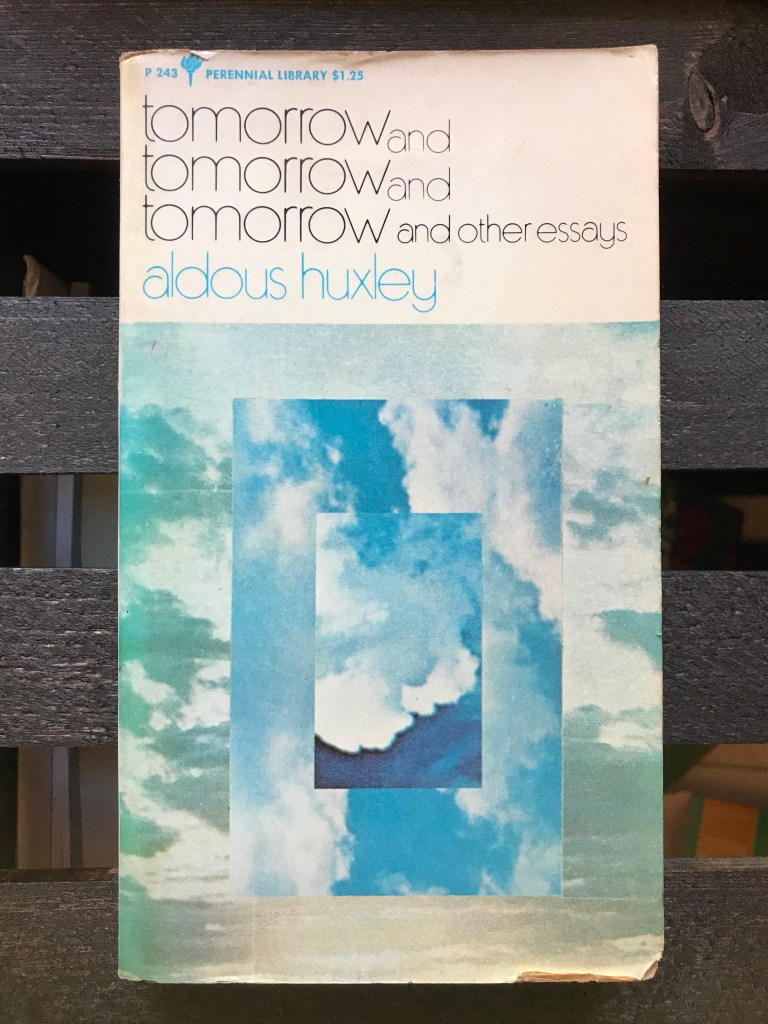
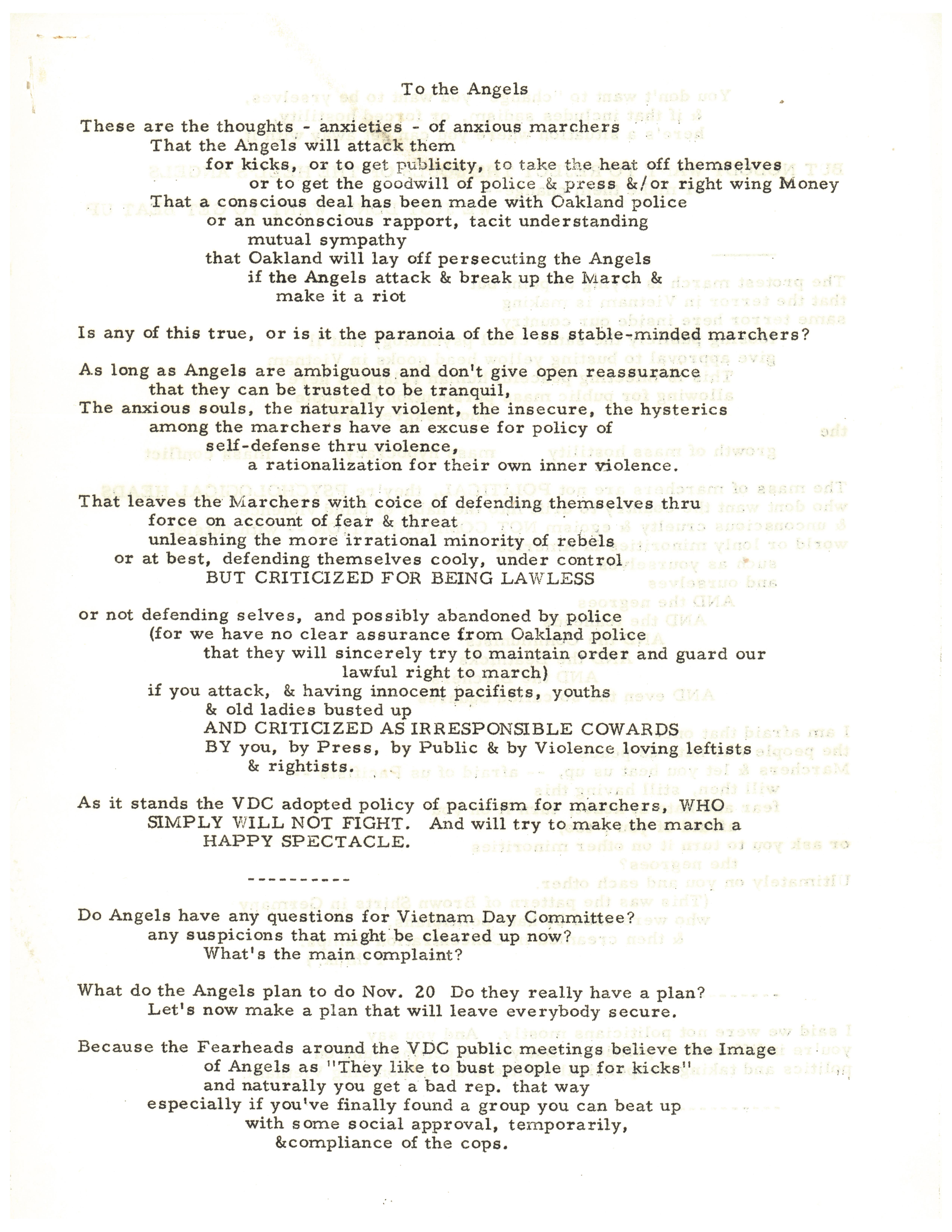
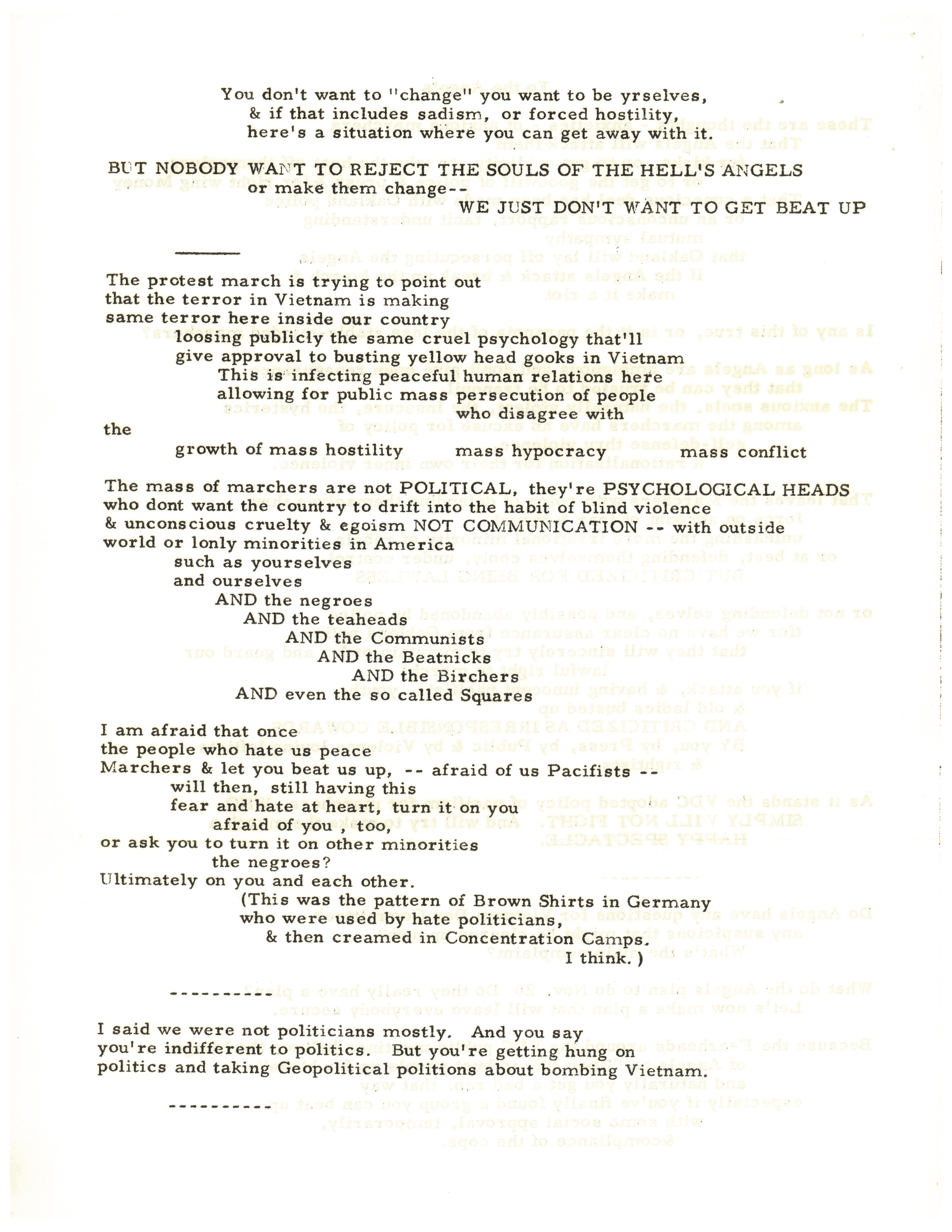
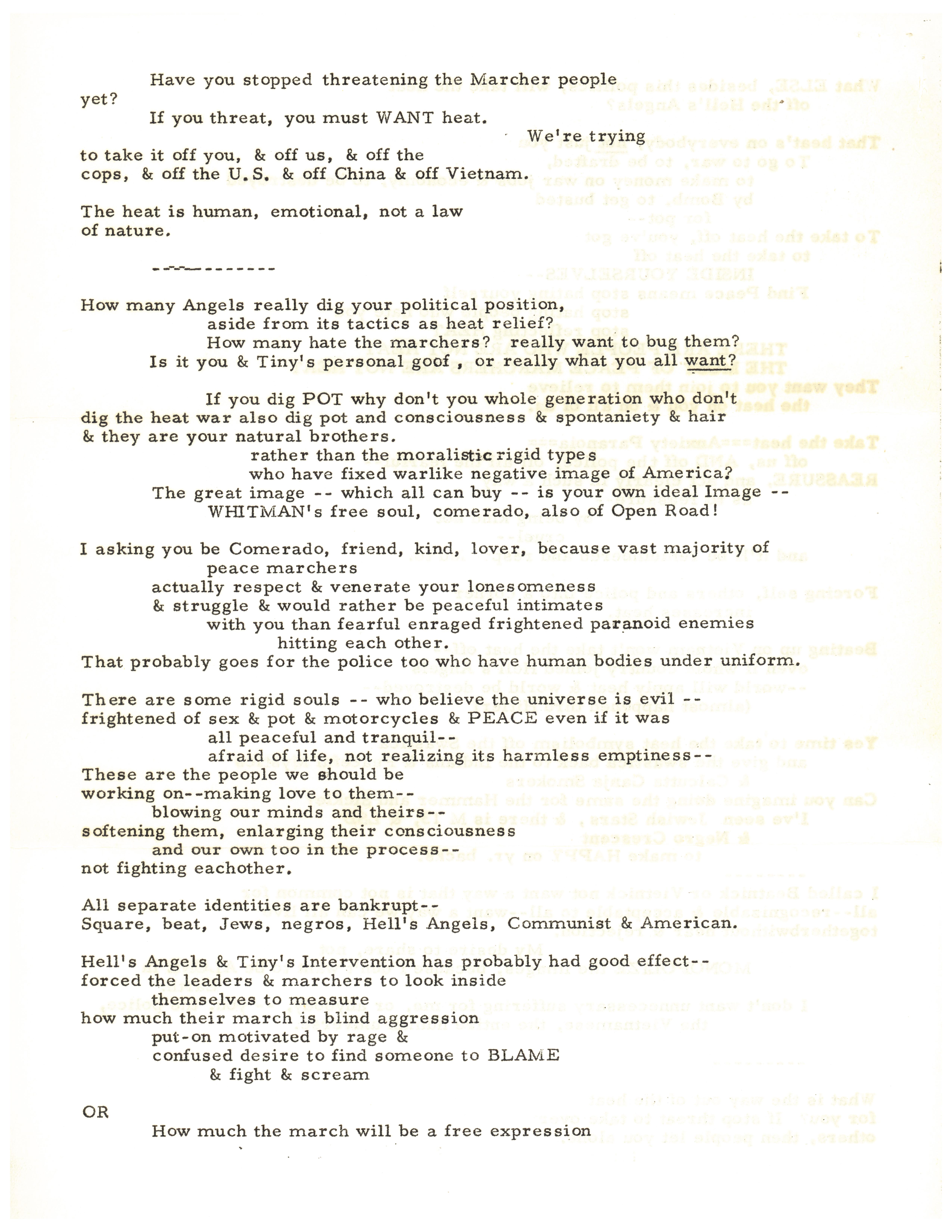
“You there,” says a cursor, a pointing finger: “Feed your head.” DC hardcore bands of the 1980s laughed off the hippies, refused to remember what the dormouse said. Contra Jefferson Airplane, they clamped down defensively, shouting “Flex your head” through speakers and sound systems across time. That stance appealed to me. I was hailed by it. It formed me into a position as a particular kind of subject. Emanating from the capital, coeval with an era of federally-waged drug war, straightedgers like Ian MacKaye denounced drugs as “crutches.” The stance conveyed an ableism that was simultaneously hyper-defensive, its anger a reaction to fear. As punks, MacKaye and his friends and bandmates faced routine bullying and marginalization. Early episodes of teenage drug use led to denunciations of party culture, as on Government Issue’s “Rock’n Roll Bullshit,” and dramatic public acts of abstention from drug-assisted Dionysian revelry, as on Minor Threat tracks like “Out of Step” and “Straight Edge.” Always flexing, never feeding. It took years for me to recover and loosen up — but loosen up I did.
Friday April 17, 2020
The Hippie counterculture can be imagined as a kind of heroic collective subject. History needn’t be told only in the tragic and dystopian modes preferred by the Western hegemon. Picture instead “Evolvers” on the West Coast wearing sunglasses, edgelords opening portals onto virtual frontiers. The internet needn’t be cast only in the role of Dark Side of the Moon. Earth needn’t be distant. Earth and its profusion of life. The Revolution, as Gil Scott-Heron observed, “will be no rerun.” One hero’s fate needn’t be the fate of the character in each of the myth’s retellings. Time to bypass the past, pursue a different path.
Thursday April 16, 2020
Hints of other storylines lie about. Pay attention to what is changing: the growth and the decline, the continuity of an always ever-changing ever-changing “always.” It’s a narrative of “Individuation.” Baby busting out of its prison. That storyline, at various levels of being, staged alongside related myths of enlightenment and awakening. Sarah suggests I refine my focus. The book I’m writing is on acid and radical politics. The other stuff is just part of the theorization of that. The brew that rocked the boat. An elaborate Heavenly Breakfast-for-dinner feast. Feel better and change the world. What are we to make of this thread of desire that runs like a fuse through being: the desire to overcome the alienations imposed by capitalism and Western rationalism and patriarchy and settler colonialism and modernity? Can it be done by a living theatre? Can it be done by fusing art with life? What happened to Sam Cooke? The authorities were frightened of him. Cooke was having fun, putting trouble on the run with his support for Malcolm X and Black Power. Killed, Sarah says, under suspicious circumstances. Hard shift to Paul Simon’s “Kodachrome,” which makes me think of my father, a photographer who worked on a photo shoot with Muhammad Ali. Spotify extrapolates a playlist for the occasion, leading to Curtis Mayfield’s “Move on Up” and Ray Charles’s “What’d I Say, Pt. 1 & 2.” Afterwards Stevie Wonder warns of belief in “Superstition.” Van Morrison replies with “Into the Mystic,” after which point I lean back and marvel at the fact that this entire month is 4/20.
Wednesday April 15, 2020
During break time, I stare at pinwheels, rosemary bushes, a neighbor with a cat on a leash, a Royal Enfield motorcycle with a Cozy sidecar parked in front of another neighbor’s home down the street. I walk about, listening to birds, the wind as it rustles the leaves in the trees, motivating as well some wooden wind chimes. The cry of a waking baby returns me indoors, where we dance to tunes by NEU! and Pere Ubu. Time for redirection. Sarah’s suggestion: download into being a children’s book on Buckminster Fuller. The baby rests on Sarah’s knees as the three of us chill on the couch vibing to Future Shock — Volume 1, a compilation released by Names You Can Trust.
As the sun descends, shining through the window in the room above the garage, I stare down at a book propped open on the dining room table: The Living Book of the Living Theatre. I learn about Judith Malina and Julian Beck and the direction they took from the philosophical anarchism of Paul Goodman at the time of the Theatre’s founding in the mid- to late- 1940s. The couple launched the Theatre at their 789 West End Avenue apartment in New York. In 1951, they staged four one-act plays by Goodman, Gertrude Stein, Bertolt Brecht, and Federico García Lorca. In later years, the Theatre became communal and nomadic.
Tuesday April 14, 2020
I think about major and minor literatures — that distinction Deleuze and Guattari draw in their book on Kafka. Narrative takes a back seat; the work addresses other characters, who travel around a cloverleaf to a park. Coming soon: Phase II. Let there be owls, wisteria, faeries of the forest, babes singing in the woods.
Monday April 13, 2020
At three and a half months, the baby is all smiles, dressed in a jumper with bright yellow sneakers, chatty with a speech of sounds, sighs, efforts toward words. Sarah plays her “Bulletproof” by La Roux. I scoot next door and dip into Design for Utopia: Selected Writings of Charles Fourier. In his 1971 Foreword, Frank E. Manuel says Fourier’s ideal “calls to mind the ‘synergic’ society originated by Ruth Benedict and expounded by Abraham H. Maslow, who found it consonant with his own doctrine of self-actualization. In synergy, as Maslow defined it, the individual acting in his own behalf at the same time furthers social ends, fulfilling simultaneously and harmoniously his obligations to himself and his responsibilities to society” (4-5). Manuel maintains an attitude of bemused skepticism, maybe even a haughty distance, with regard to all such doctrines and ideals, his imagination far too stingy and conservative for my taste.