Game Theory

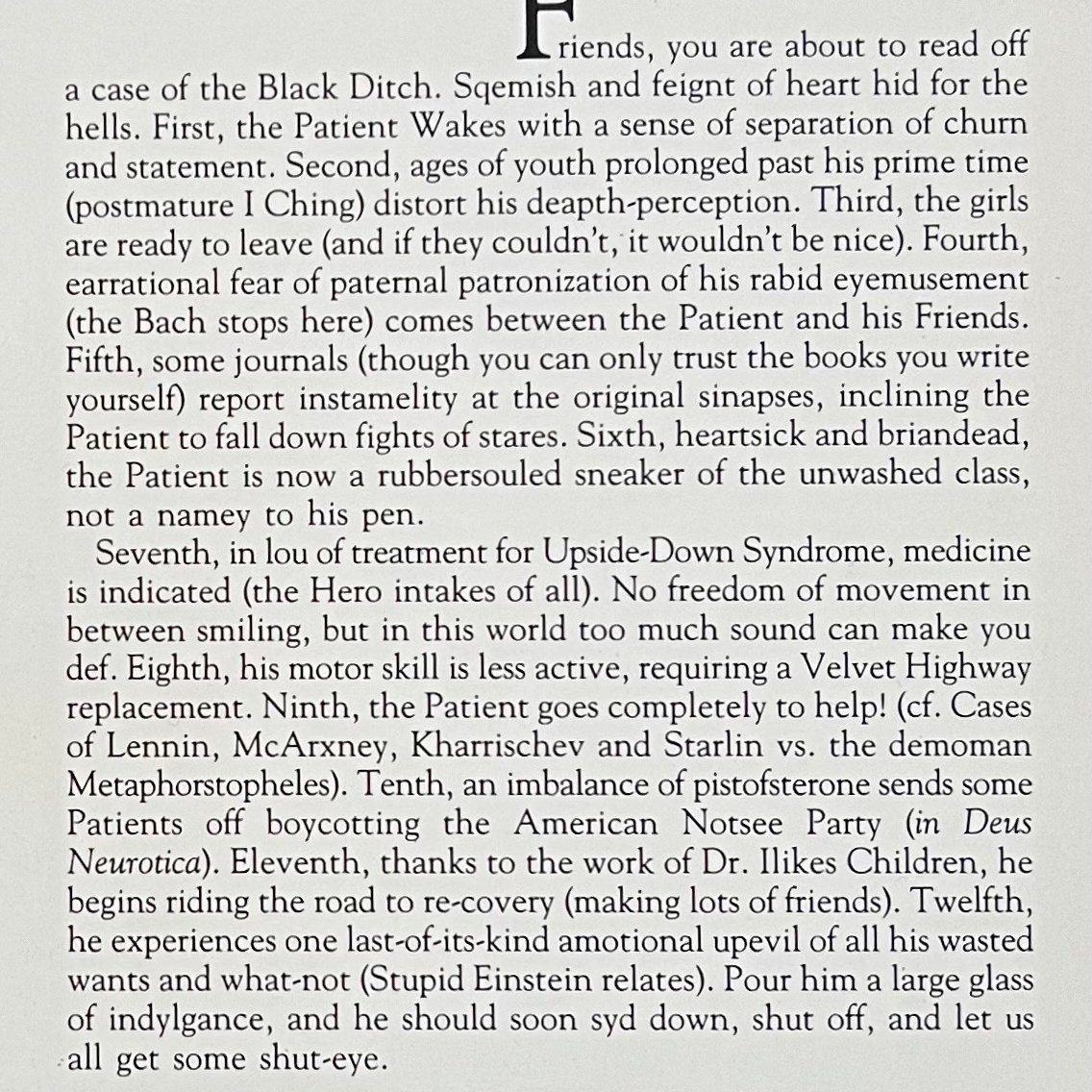
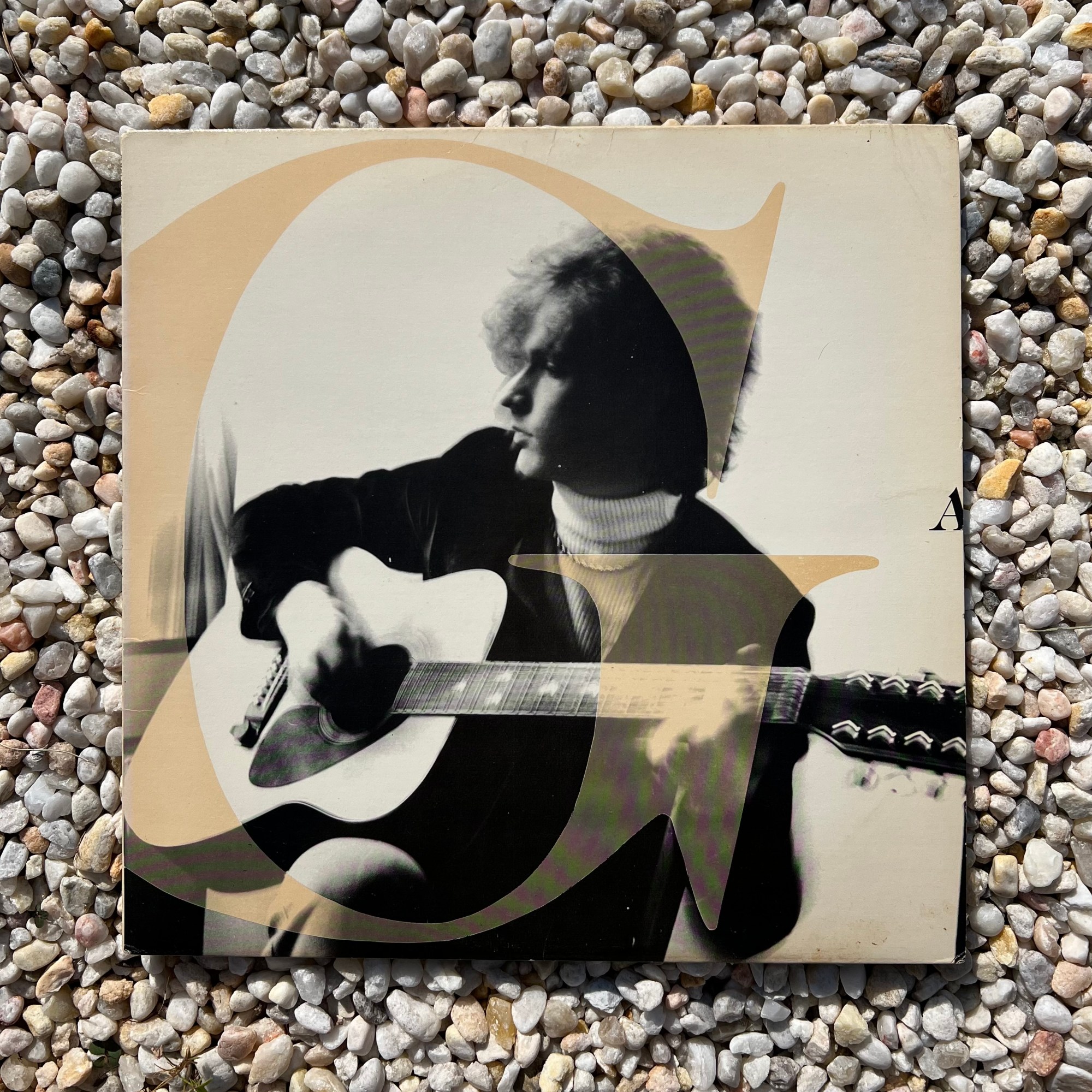
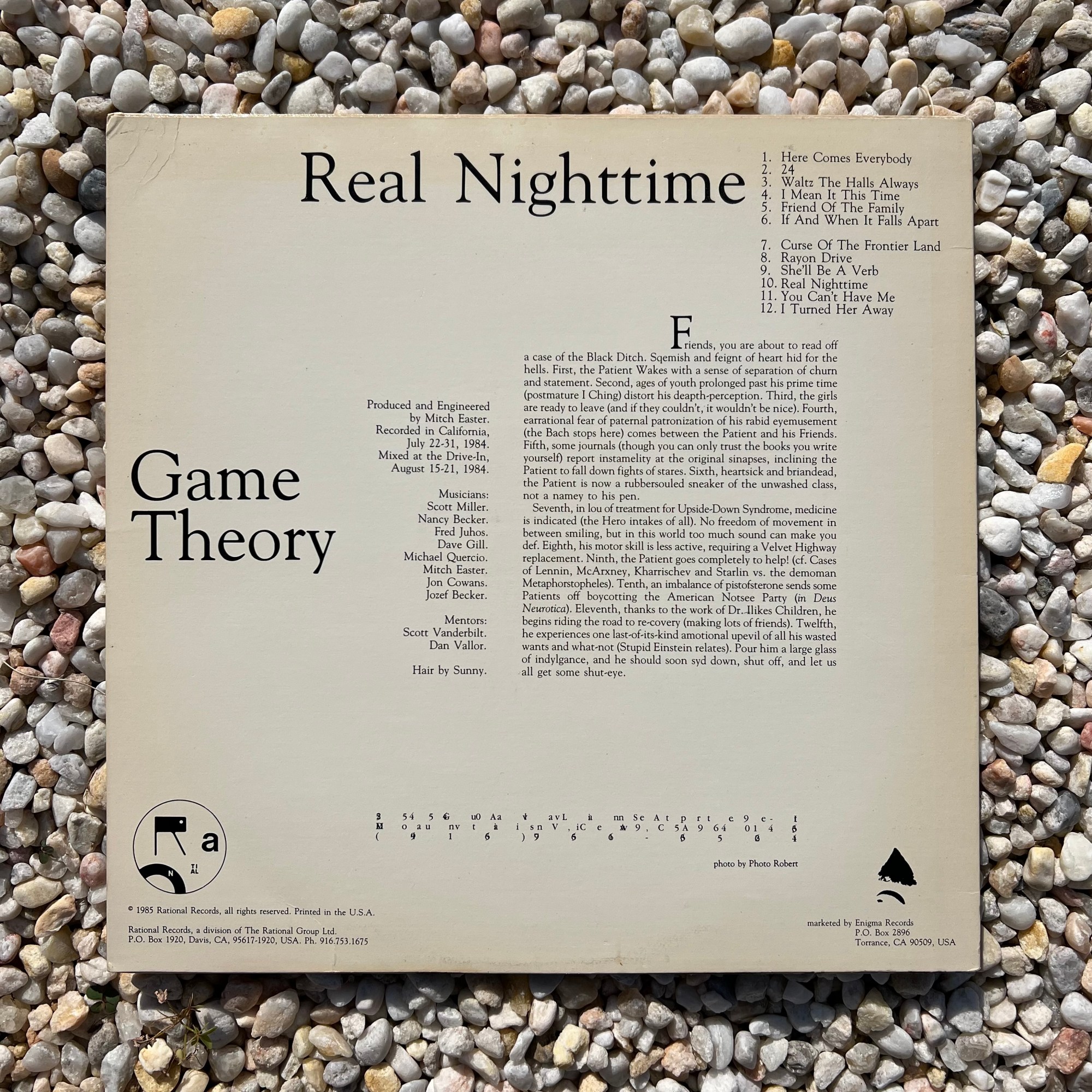
The Time Traveler sits across from his copy of Game Theory’s Paisley Underground power pop classic, Real Nighttime.  The latter is one of several albums of note that arrived for the Traveler at Goodwill soon after his entry into the narrative. Music journalist Byron Coley called it “the actual godhead pop LP o’ the American Eighties. No shit. This is it.” Record producer Mitch Easter mixed the album at the Drive-In, two doors down from the House on Shady Blvd. “Was this record produced for me?” wonders the Traveler, eerie feeling running up and down his spine as he reads the text on the back of the LP: liner notes by band member Scott Miller. The Wikipedia entry for the album points the Traveler to a rather remarkable “annotated edition” produced by someone at the University of Wisconsin-Milwaukee in the 1990s. Modeled after the playfulness of Joyce’s Finnegans Wake, Miller’s text feels dreamlike and oracular. Transpersonal energies stir as one reads.
By Some Strange Manner of Coincidence

The author sits uncomfortably on his meditation pillow pondering the tranche of 80s jangle-pop / Paisley Underground LPs that turned up at Goodwill mere days after he set out to tell his story. In the heart of the heart of the story is the house he lived in two doors down from Mitch Easter’s Drive-In Studio. “Who or what passed these records to us,” he wonders, “at such an opportune time? What kind of entity must we presuppose, what manner of causality must we assume here in our rendering of the cosmos?” For two of the records are themselves Easter-produced efforts: one of them recorded and the other mixed at Drive-In. “Was it the Ghost who sent them?” inquires the author. “Or is there some other force at work?” Some covert, time-traveling, Antikythera-wielding group from the future, perhaps, name composed of a string of Cs. Such was the solution OG psychonaut John Lilly arrived at, his paranoid, drug-powered Cold War musings leading him to posit the existence of a shadow organization known as the Cosmic Coincidence Control Center.

The Arrival of the Narrator into the Narrative, aka “The Katabasis”

I myself was a latecomer, fresh on the scene thanks to a Craigslist ad posted once upon a morning in the spring of 2013, says the Narrator. Sarah had taken a job at a university in town, and we needed a place to rent. By then, Shady had lost some of its fame. Much had changed. The garage behind the Easter house had already been torn down years before our arrival. All that remained was its stone foundation. And Mitch himself had moved away to nearby Kernersville. In all likelihood, then, the story of Drive-In Studio might have gone undetected, might have remained part of Shady’s secret history, hidden away, occulted by the passage of time, had it not been for Frank, our landlord: a goateed documentarian with a film degree from UNC School of the Arts, fixture of sorts in the local music scene, and amateur collector of fossils. Frank and some fellow students at UNCSA had been part of an artists’ collective that had squatted an old, deactivated meat-packing plant in the late 1990s, on what was then the edge of downtown. Through legal and financial machinations that, I admit, were never entirely clear to me, Frank and his fellow squatters had achieved the impossible. Despite the odds, they’d gained control of the building; they’d transformed it into some other kind of thing. There it stood, suddenly, teeth and claws gleaming: an art space and show venue called The Werehouse.

The House on Shady Boulevard

“So this home,” begins the Narrator. “It’s the cute little craftsman — the one with the stained glass, correct?”

“Yes — inasmuch as the Ship of Theseus is the Ship of Theseus,” replies the Traveler. “Yet don’t be fooled by its current guise. A subsequent owner repainted the home’s exterior with colors that don’t suit it. To properly understand its appeal, one must picture it now as it appeared then: a charming brown-and-yellow bungalow, two houses in from the corner, cyclopean stained-glass Eye of Providence fitted into the frame of the front window, staring intently at all who pass, on land that used to belong to the city’s waterworks.”

Narrator meets the Traveler’s gaze for a moment, then jots a few words in his journal. “And the musician / record producer Mitch Easter,” murmurs the Narrator, as if reading from a dossier. “Frontman for 80s alt-rock / jangle-pop group Let’s Active: he lived there too, did he not?”

“Yes, Easter grew up there, too. Not in the same house, mind you,” hastens the Traveler. “The Easter home was two doors down. But yeah, that was Drive-In Studio. That’s where Mitch recorded R.E.M.’s first single, ‘Radio Free Europe’ — there in his parents’ garage.”

“And Mitch would go on to produce Brighten the Corners, is that right?” asks the Narrator.

“Yes, precisely—the Pavement album,” says the Traveler, lips pursed.

“On which appears…?” adds the Narrator, as if coaching the Traveler through an as-yet unmemorized script.

“On which appears / a song called ‘Shady Lane.’”